The Standards of Appearance, Tenderness, and Flavor
Judging brisket is both an art and a science. Whether you’re evaluating competition entries, sharpening your backyard BBQ skills, or helping others understand what makes a truly exceptional slice, a great brisket should excel in three main categories: appearance, tenderness, and flavor. Below is a complete guide to what judges look for — and what to avoid.
1. Appearance
A brisket should make a strong first impression. Before you even take a bite, great barbecue tells a story with its color, bark, and slicing technique.
Bark
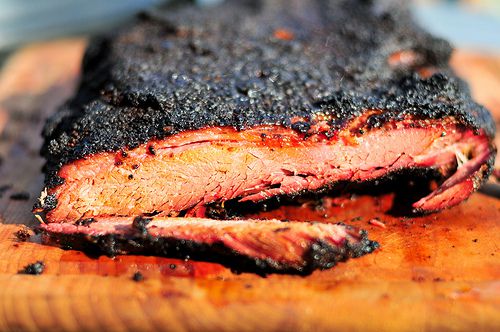
Look for a deep, mahogany-colored crust that shines slightly with rendered fat. It should be well-formed with visible seasoning, but not burnt or overly charred. A proper bark reflects a balanced cook, good airflow, and steady smoke.
Smoke Ring
A pronounced red or pink smoke ring is a classic sign of great preparation. While it doesn’t directly affect flavor, it does reflect skill and proper smoking technique — and it’s always visually appealing.
Slice Presentation
Brisket slices should be uniform in thickness, ideally around ¼ inch. Clean, smooth edges show attention to detail and a properly sharpened knife. Interior moisture should be visible but not gushing, indicating a good rest and proper slicing against the grain.
2. Tenderness
Tenderness is one of the most important judging standards. It’s where a pitmaster’s skill truly shows.
Pull Test
A properly cooked brisket slice should pull apart with a gentle tug. Too easy, and it’s overcooked. Too tough, and it’s undercooked. The perfect slice resists just slightly before giving way.
Drape Test
Place a slice over your finger. It should drape smoothly without cracking or breaking — a sign that the connective tissues have broken down correctly without turning mushy.
Fat Rendering
The fat should be fully rendered, turning buttery and silky. It should melt on the tongue without leaving a waxy coating. Proper fat rendering is a hallmark of low-and-slow excellence.
3. Flavor
A winning brisket should taste as beautiful as it looks.
Aroma
Expect a rich, smoky aroma with subtle spice notes. The smell should immediately signal clean burning wood and balanced seasoning.
Taste
The flavor should be a harmonious blend of savory beefiness, light sweetness from the smoke, and peppery, well-seasoned bark. Nothing should overpower the meat itself — brisket is the star, and everything else should play backup.
4. What to Avoid
Even experienced cooks can run into trouble. Here’s what judges look out for:
Overcooked Brisket
If it falls apart before you can pull it, or turns mushy when squeezed, it’s overcooked. Lost structure means lost points.
Undercooked Brisket
If the slice is tough, chewy, or stringy, it hasn’t cooked long enough. Undercooked fat and connective tissue make for an unpleasant bite.
Poor Presentation
Watch out for:
- Slices cut too thick (often used to hide a tough texture)
- Ragged edges from dull knives or rushing
- Uneven slicing, which signals a lack of care
In competition settings, visual details matter — sloppy slices tell the judge everything they need to know before the first bite.
Final Thoughts
Judging brisket is a sensory experience. True mastery comes from understanding the balance between appearance, tenderness, and flavor — and recognizing the signs of both excellence and error. Whether you’re evaluating a competition tray or improving your backyard smoking game, these standards will help you identify brisket that’s truly worthy of the title BBQ perfection.
 Lone Star BBQ Trail